Greta Kent-Stoll

Ayurveda and Iyengar Yoga with Greta—Ancient Wisdom for Modern Maladies

  • Ayurveda
  • Iyengar Yoga with Greta
  • Writing
  • Contact

greta.ayurveda@gmail.com

Tincture, Decoction, Tea, or Ghee – An Ayurvedic Perspective on Herbal Preparations

We all have our preferred methods of enjoying herbs. Some love hot herbal tea, some like a cool infusion, and others reach for the convenience and potency of tinctures. Or, some may crave the unctuous, nourishing qualities of herb-infused oils and ghee. There are many reasons why one may choose one type of herbal preparation over another. In Ayurveda, the optimal herbal preparation is more than a matter of simple preference or convenience. There are distinctive reasons for choosing a tincture, decoction, infusion, herbal juice, or ghee. In this post, you will become familiar with the ayurvedic perspective on different types of herbal preparations, and some reasons why you may want to choose one preparation over another. 

The ideal way to take a particular herb depends somewhat on the herb itself. Some herbs make wonderful tea and others are so bitter or astringent that the most reliable way to get them down is in capsule or tablet form. Also, some herbs are better taken fresh whereas others require decoction or tincturing to extract their benefits. That said, the energetics of the individual receiving the herbs also help determine which herbal preparation is best. Let’s look at some of the major herbal preparations in Ayurveda and the energetics of each. 

Read the full post on the Herbal Academy blog HERE.
Cultivating Clarity with Foods and Herbs

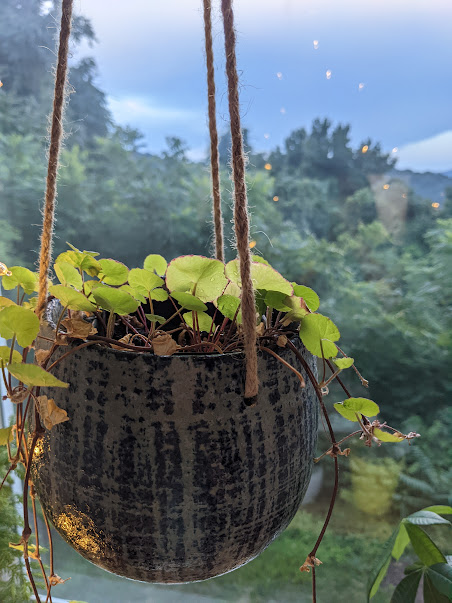
Most of us agree that a clear, peaceful mind is desirable. There are few of us who wish for an internal state that is characterized by turbulence and discord. Of course, cultivating and maintaining inner clarity is often easier said than done. However, we can take steps to create conditions for greater clarity and harmony within our own mental and emotional landscape. This post will explore foods and herbs for supporting a clear, or sattvic, mind.

What is Sattva?

First of all, what is sattva and why does it matter? According to yoga and ayurvedic philosophy, all of nature is characterized by three gunas, or qualities: sattva, rajas, and tamas.

Sattva is the quality of illumination, purity, and lightness. It leads to clarity, harmony, and serenity. Rajas is the quality of mobility and activity. Someone who is predominantly rajasic will be restless, tense, agitated, and even aggressive. Tamas is the quality of darkness and inertia. Without tamas, we would not fall asleep at night. However, a predominance of tamas in a person may be reflected as delusion, sloth, dullness, and even deceit and cruelty (Iyengar, 1979).

…So, which herbs and foods support a sattvic mind? Read the full post on the Herbal Academy blog HERE.
Savory Chickpea Flour Pancakes with Garden Herbs

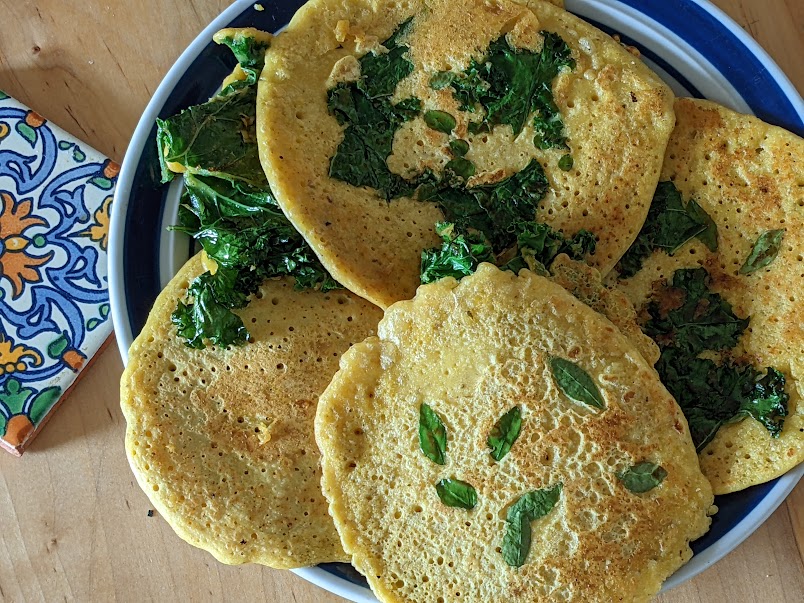
If you are looking for a gluten-free, protein-rich, high-fiber, nutritious alternative to bread or conventional pancakes, chickpea flour pancakes may become a new mealtime favorite! Several years ago, I started making chickpea flour pancakes for their ease, taste, and nutritional value. I have made many iterations over the years and have landed on this tasty, simple recipe as my go-to.

Why Chickpea Flour? 

Of course, I didn’t invent chickpea flour pancakes. Also called besan, chickpea flour is used with prevalence in Indian cuisine and can be found in various sweet and savory dishes throughout the world. The Italian chickpea flour bread, socca, is quite similar to these chickpea flour pancakes. Interestingly enough, chickpea flour has become increasingly popular in the United States as a staple in gluten-free fare, though as food writer Priya Krishna (2019) points out, “Indians have been experimenting with this alternative flour for centuries” (p. 90). Gluten-sensitive or not, these savory pancakes tend to be a crowd-pleaser! Also, I like simplicity and efficiency when it comes to culinary creations, so rest assured that even the busy or impatient cook can handle this chickpea flour pancake recipe. Read the full post on the Herbal Academy blog HERE.

Avipattikar Churna: Herbal Support For Digestive Imbalance

With summer around the corner, some of us are thrilled by warmer temperatures and the prospect of stone fruits, berries, smoothies, and salads. However, those who run warm, e.g. pitta types, may need to take caution to tame the internal fires as external temperatures climb. This means keeping the body temperature, emotional thermometer, and digestive fire reasonably chilled out. As I described in my post on agni, managing digestion is all about balance. You want to keep your digestive fire burning just right, not too hot and not too cool. If your digestive fire runs on the hot or acidic side, avipattikar churna may become your new herbal best friend! 

Avipattikar churna is a fairly complex classical ayurvedic formula that is used for heartburn, hyperacidity, constipation with signs of heat, irritable bowel syndrome, and gastritis (Dass, 2013; Pole, 2013). In general, it is indicated for pitta-type digestive imbalances, which usually come with signs of excess heat. This formula also helps to normalize the apana vayu (the downward moving energy that governs down-and-out functions such as bowel movements and menstruation). Signs of disrupted apana vayu include vomiting, belching, and acid reflux. 

Read the full post on the Herbal Academy blog HERE.

« Previous Page
Next Page »

Recent Posts

  • 5 Herbs for Digestive Health When Traveling Abroad January 19, 2026
  • Elevate Your Holiday Feasts With These Flavorful Herbs November 26, 2025
  • Power Up Naturally: Must-Have Herbs for Workouts October 8, 2025
  • 4 Cooling Berry Herbal Nice Cream Recipes August 11, 2025
  • Transform Your Day With Herbs That Motivate June 24, 2025
  • Instagram